The short version
- Brick needs to release water, so breathability comes before color
- Previously painted brick is usually recoated with masonry paint
- Limewash is the gentlest first step on brick that has never been coated
- Check historic district and association rules before coating brick
What makes postwar brick different from other siding
Most brick ranches and Georgians around Park Ridge went up between the late 1940s and the 1960s. The brick is usually a hard, fired face brick laid over a wood frame or block backup, with mortar joints that have now seen sixty or seventy winters. On many of these houses the brick was never meant to be coated. It was the finish.
Brick and mortar are porous. They take on water from rain, snow against the foundation and splash from salted driveways, and they release it again as vapor when the sun hits the wall. That cycle is normal. Problems start when a coating slows the drying side down and leaves water inside the masonry when the temperature drops below freezing.
So the first question on any brick house is not color. It is whether the brick has been painted before, what condition the mortar is in, and whether there is a water problem to fix before any finish goes on.
Why breathability decides which finish is safe
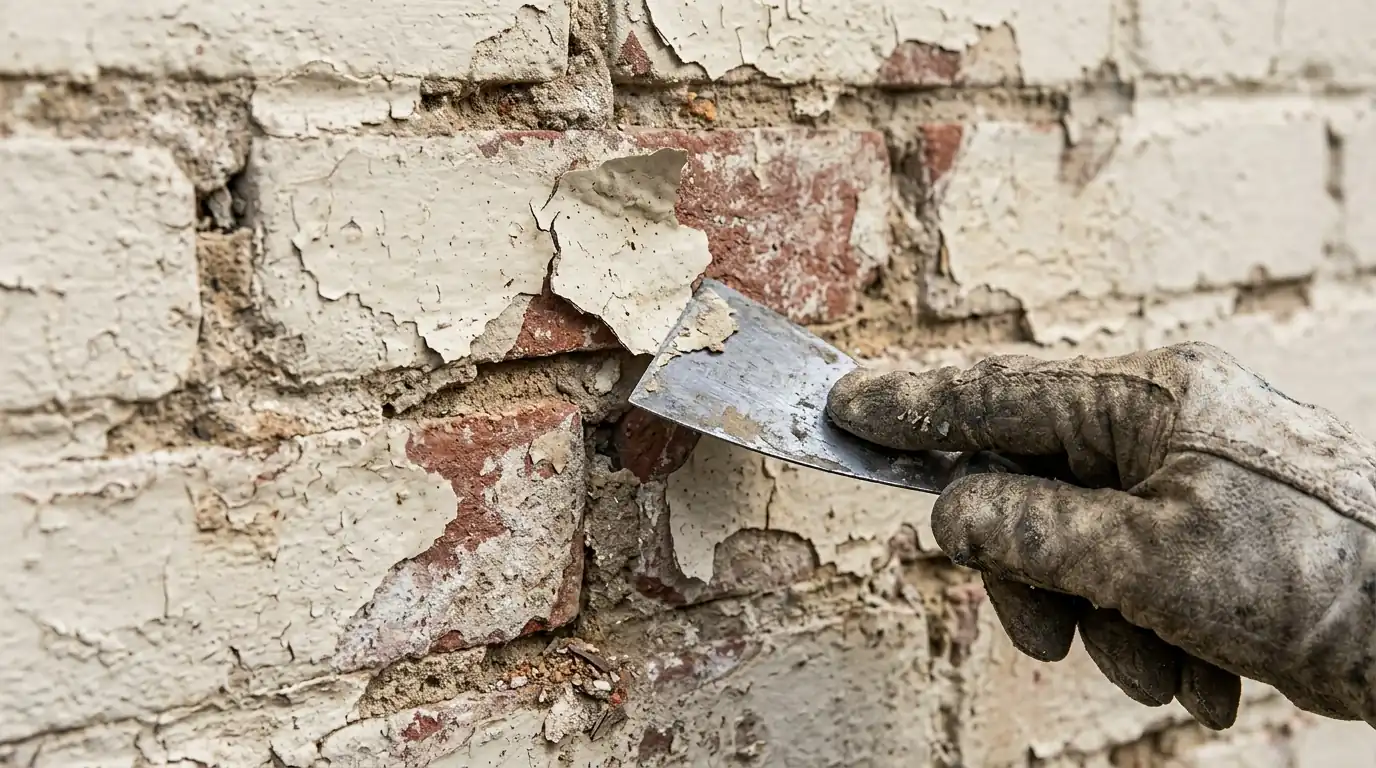
Breathability means how easily water vapor passes through a coating. A film-forming paint, especially an older oil paint or a standard acrylic house paint, sits on the face of the brick as a skin. If water gets behind that skin through cracked joints, a leaky gutter or a wet foundation, it cannot leave easily. In a freeze-thaw winter that trapped water expands, and the result is peeling paint, white salt deposits called efflorescence and, in bad cases, spalling where the face of the brick pops off.
Masonry-specific paints, limewash and mineral silicate paints are all more open to vapor than ordinary house paint, in roughly that order from least to most. That is why we steer brick work toward products made for masonry. It is also why we look hard at gutters, downspouts, grading and mortar before we coat anything.
How paint, limewash and mineral paint compare on brick
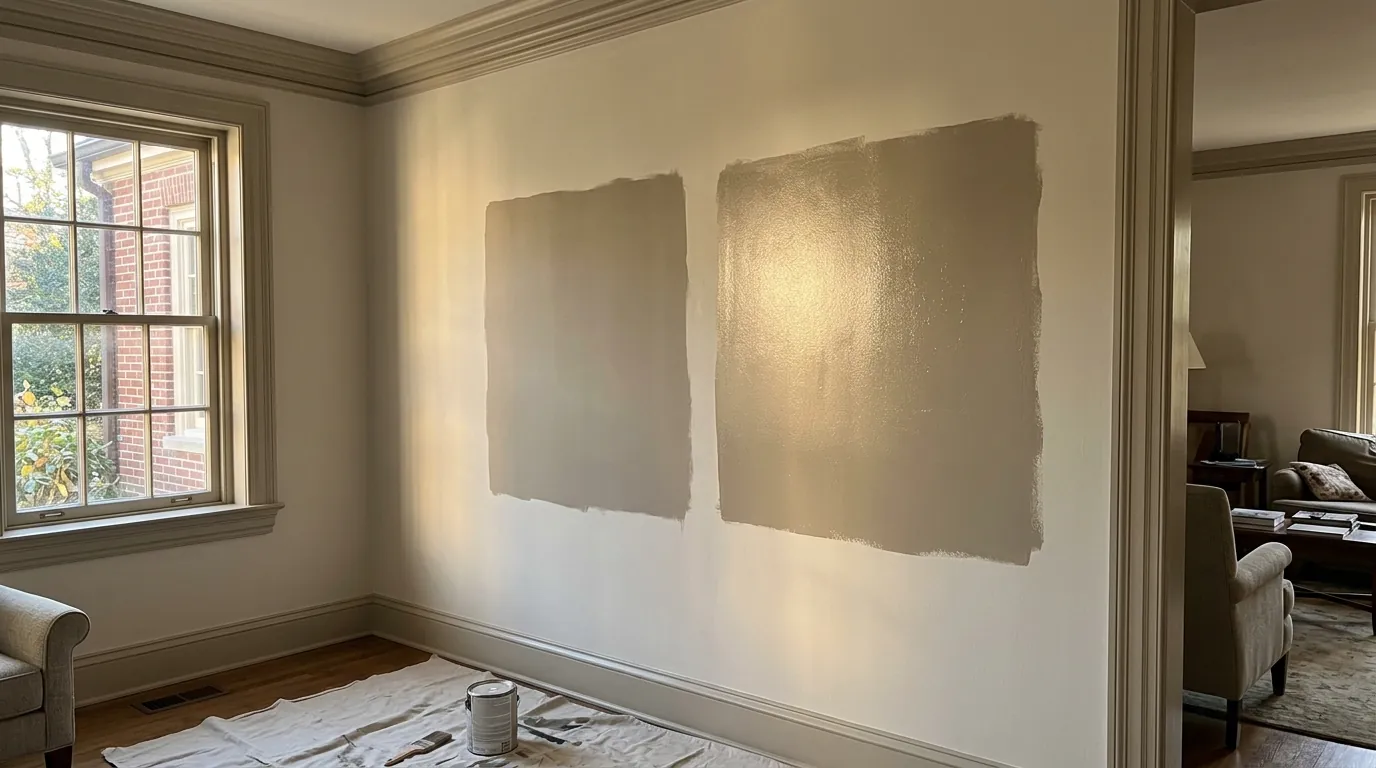
Breathable masonry paint gives a solid, even color and the widest choice of shades. It covers well, hides mismatched patches and earlier repairs, and holds up for years on a sound wall. The tradeoff is that it is the hardest finish to take back off, and it needs repainting on a cycle like any other coating. Brick painting runs $2.65 to $5.40 per square foot of wall.
Limewash is lime putty thinned with water and tinted. It soaks into the brick rather than sitting on top, dries to a soft, chalky finish and wears gradually over the years, letting some of the brick show through. Products such as Romabio make versions meant for exterior brick. It suits owners who want the brick lighter but still visibly brick. It runs $3.10 to $6.95 per square foot, partly because it goes on in several thin coats and can be worked or washed back while fresh to get the look you want.
Mineral silicate paint bonds chemically with the brick surface. It is very open to vapor, holds color well in sun and lasts a long time, but it needs clean, uncoated mineral surfaces to bond to. On brick that already has acrylic or oil paint on it, it is not a direct option without removing that paint first.
- Masonry paint: solid color, most coverage, hardest to reverse
- Limewash: soft, aged look, wears gradually, easiest to change later
- Mineral paint: long lasting and very breathable, needs bare masonry
- Bare brick: no coating to maintain, mortar care only
Previously painted brick versus brick that has never been coated
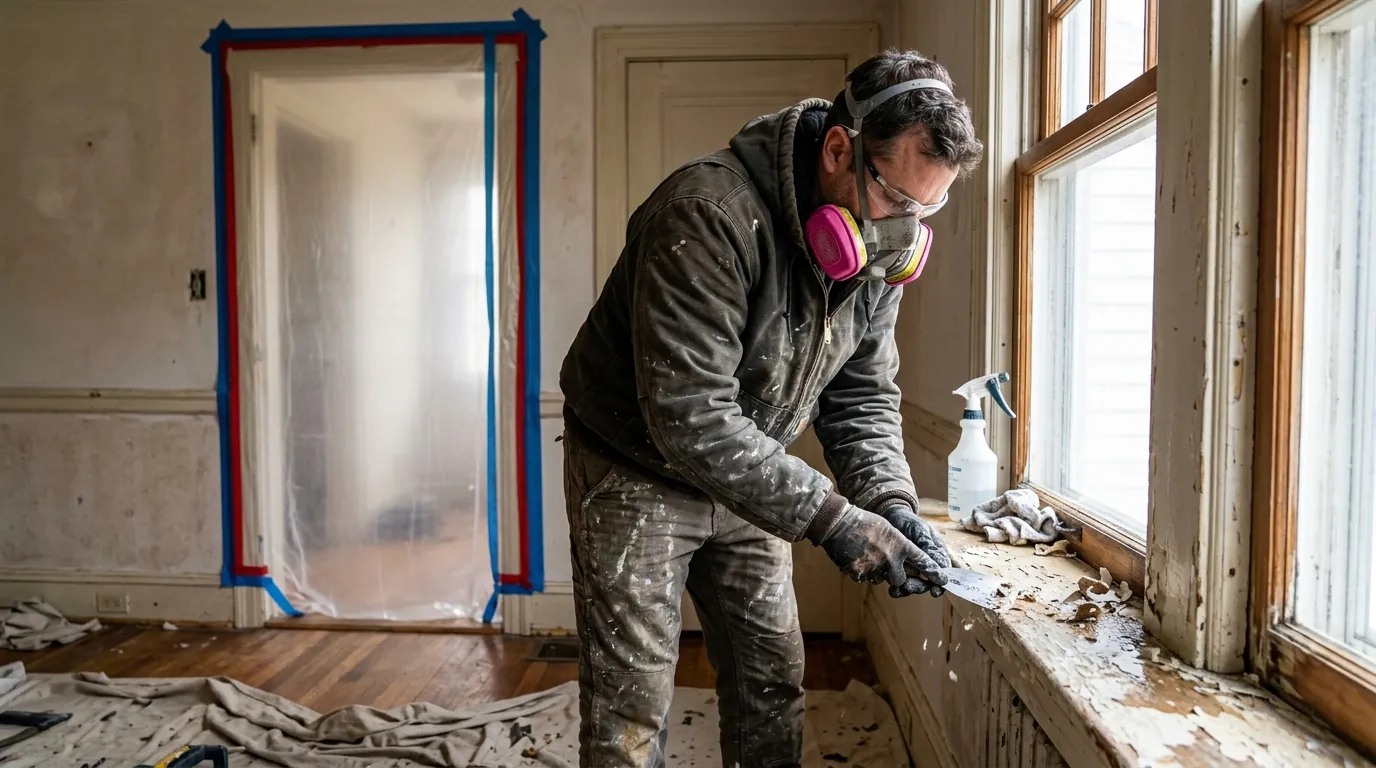
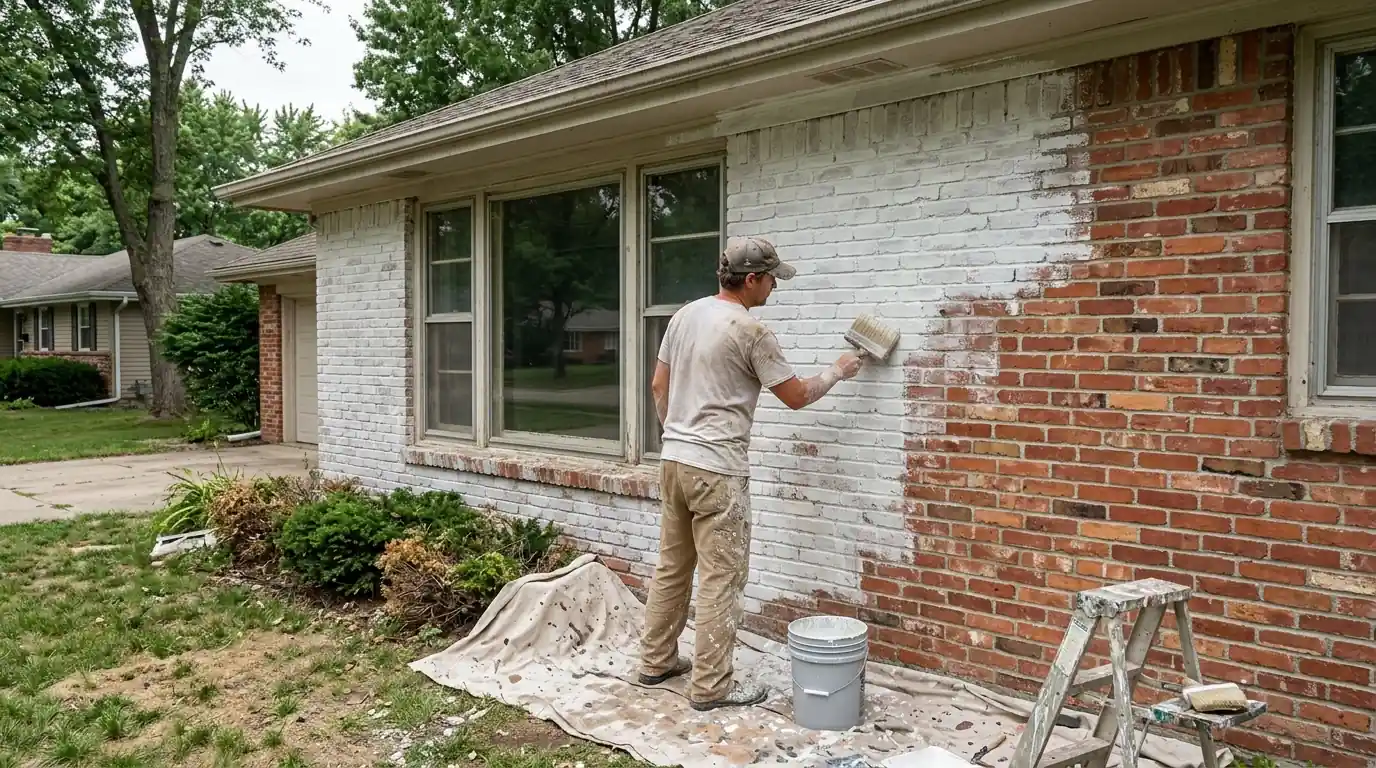
If the brick was painted years ago, the decision has mostly been made. Removing old paint from brick is slow, costly and can damage the face of softer brick. The usual path is to wash the wall, scrape anything loose, check and repair the mortar joints, spot prime bare areas and recoat with a breathable masonry paint. Where the old paint is peeling in sheets, that is a sign of water getting in, and we look for the source before we put new paint over it.
Unpainted brick is a different choice, because it is a one-way door with paint. Once a ranch is painted, it will need repainting every several years for as long as the house stands. Limewash is the gentler first step on uncoated brick. It changes the color, keeps the wall breathing and fades over time instead of peeling, so if you change your mind, the brick slowly comes back.
Leaving the brick bare is also a fine answer. Many owners get the update they want by painting the trim, soffits, fascia, shutters, front door and garage door in a fresh color scheme and leaving the brick alone. On most ranches that trim package runs $2,940 to $6,480, often less than coating the brick.
Check before you coat brick in Oak Park, Evanston or Hinsdale
Oak Park, Evanston and Hinsdale each have local historic districts, and exterior changes to homes in those districts can need review. Painting brick or stone that has never been painted is the change most likely to draw attention, because it changes the look of the house and is hard to reverse. Limewash may get the same scrutiny.
If your home is in or near one of those districts, check with the village or city first, before you pick colors or schedule the work. Many townhome communities and some subdivisions have association rules on exterior colors as well, so check your association's approved colors before committing. We are glad to hold a start date while that review happens.
What the job looks like once you decide
Every brick job starts with water. We look at gutters and downspouts, the grade along the foundation, cracked sills and open mortar joints. Masonry repairs and repointing need time to cure before any coating goes on, so they are scheduled ahead of the paint work.
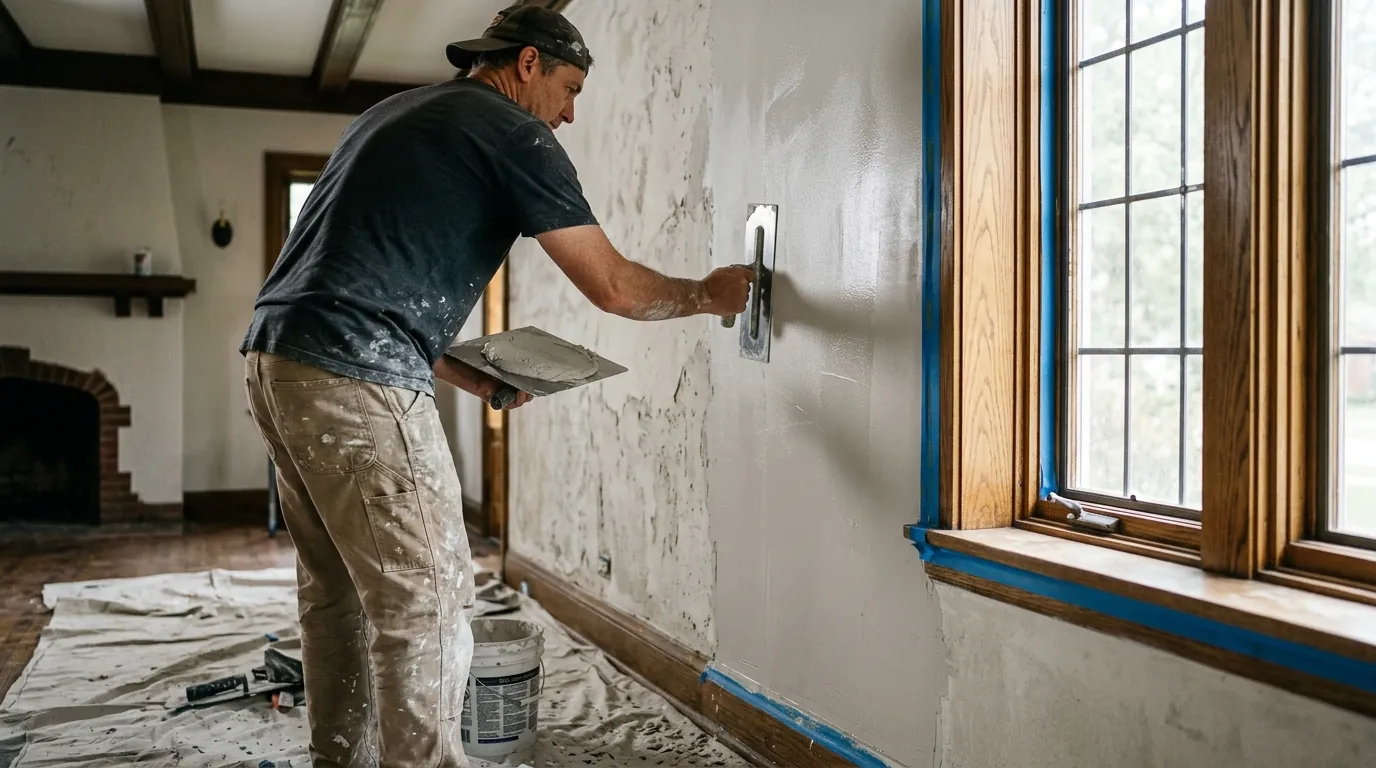
Then we wash the wall with a gentle method that suits the brick. High pressure can etch older brick and blow out soft mortar, so we keep the pressure low and let cleaners do the work. After the wall dries, we mask windows, doors, lights and the ground, and apply the finish by brush, roller or sprayer depending on the product. Call (312) 579-0481 to have us look at your brick and talk through the options.
Questions about this topic
Is limewash or paint better for an unpainted brick ranch in the northwest suburbs?
For brick that has never been coated, limewash is usually the safer first step. It soaks into the brick, lets vapor out and wears gradually instead of peeling, so it can be refreshed or left to fade. Paint gives a more solid, uniform color but commits the house to repainting for good.
Why is the paint peeling off the brick on my Georgian?
Peeling on painted brick usually means water is getting behind the paint, often from failed mortar joints, a leaking gutter or poor grading, or that the old paint was not breathable. Recoating over the problem will not hold. We find and fix the water source, scrape loose paint and recoat with a masonry paint.
Can mineral paint go over brick that was painted with latex years ago?
Not directly. Mineral silicate paint needs a bare, uncoated mineral surface to bond to. On brick with existing acrylic or oil paint, the choice is either removing that paint, which is slow and can damage the brick, or recoating with a breathable masonry paint.